 3D Magic
Native birds, printed layer by layer from recycled plastic.
Kererū, tūī, pīwakawaka and five more, made on a 3D printer in New Zealand by Clara. A share of every sale goes to native bird conservation.
- Recycled filamentEvery bird is printed from filament made of plastic that has already had one life. Old plastic becomes a kererū instead of landfill.
- Printed here, one at a timeEach bird is made to order in New Zealand, in layers a fraction of a millimetre thick, and finished by hand.
- Gives back to the real birdsA share of every sale goes to native bird conservation. The charity and the share are being chosen now.
The birds
Eight natives to start, each with its name in te reo Māori and English, and the real bird’s story.


The pictures are illustrations of the range while Clara photographs her first prints. More on the credits page.

Have something else in mind? Ask for it.
Clara takes custom requests: a bird that isn’t in the range yet, a pet, a name plaque for a door or a desk, a model from a photo or an idea.
Say what you’re picturing and you’ll get a straight answer about whether it can be printed, in what colours, and what it would cost. Some things need a model made from scratch, so some answers are “not yet”.
How a bird is made
From a spool of recycled plastic to a bird on your shelf, in three steps and a few hours.
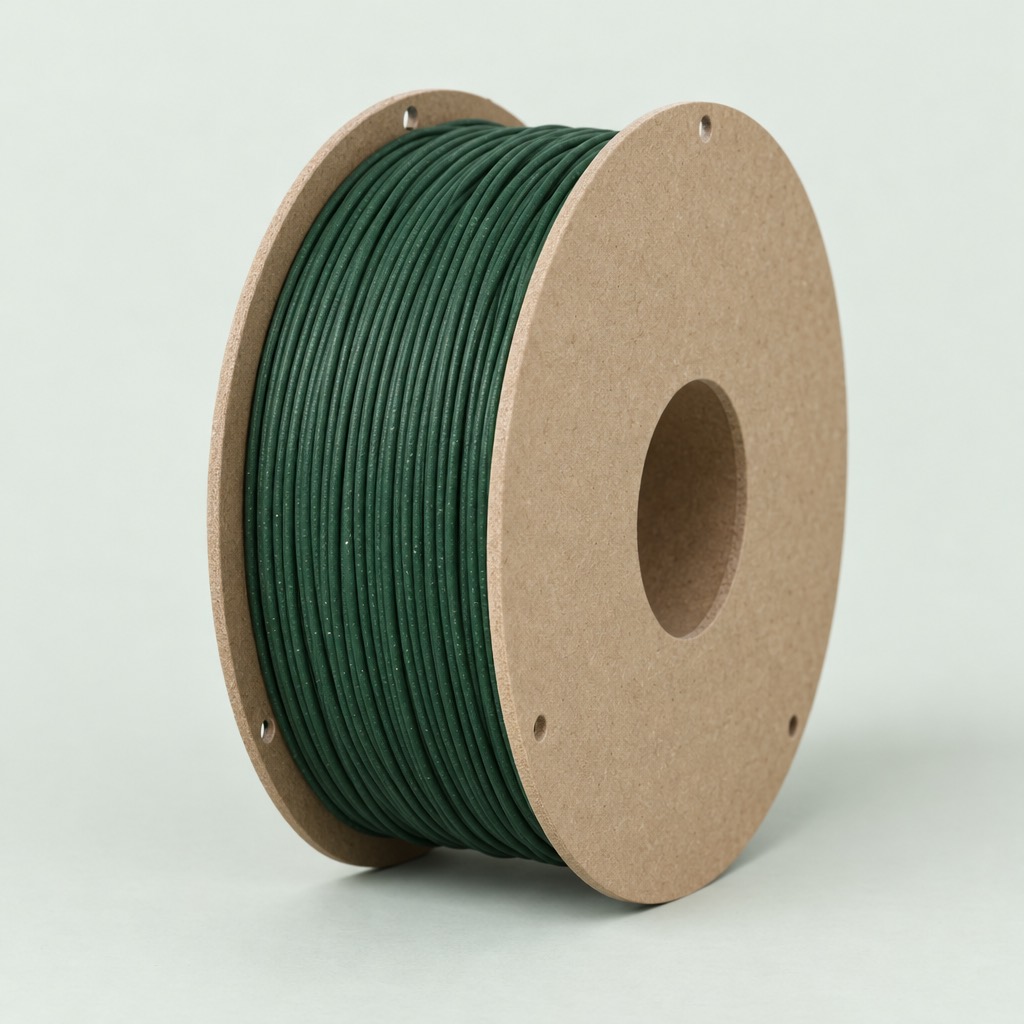
Recycled filament
It starts as a thread of plastic that has already been something else, ground down, melted and drawn out again onto a spool.
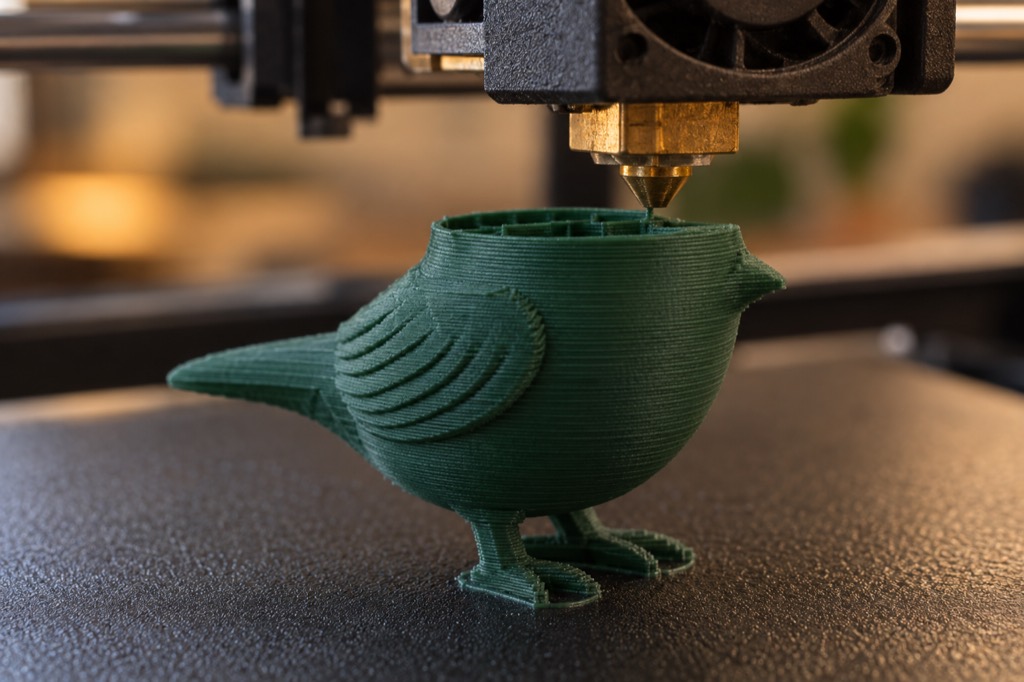
Printed layer by layer
The printer melts the thread and lays it down in layers a fraction of a millimetre thick, one on top of the last, until a bird is standing on the bed.
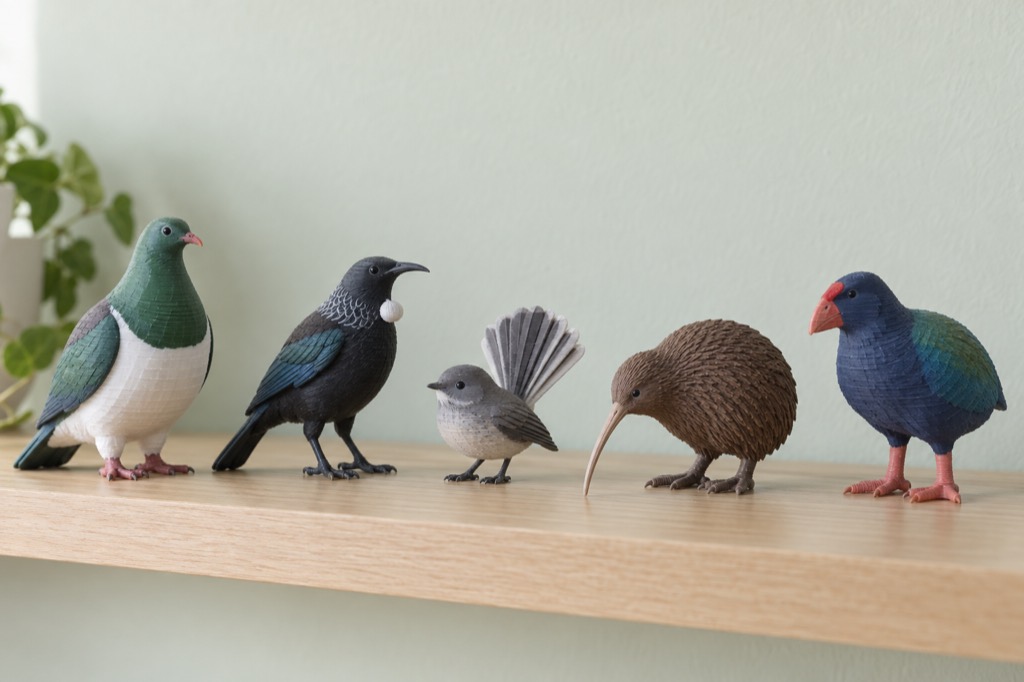
Finished by hand
Supports come off, edges get tidied, and the layer lines stay. They’re the proof it was printed for you, not moulded by the thousand.


Every bird sold helps the real ones
A share of every sale goes to native bird conservation, so each bird on a shelf does something for the ones still in the trees.
Charity name and the percentage of profits will be confirmed here once Clara has chosen them. Nothing is promised until it’s settled.

Ask about a bird
Tell us which bird you’d like and roughly when you need it. You’ll get a reply with what’s possible, the colours on hand, how long the print takes and the price.
Every bird is printed to order, so there’s no stock sitting in a box. That also means a bird for a birthday needs a little notice.